
Why Do Cats Hide? When It’s Normal and When to Pay Attention
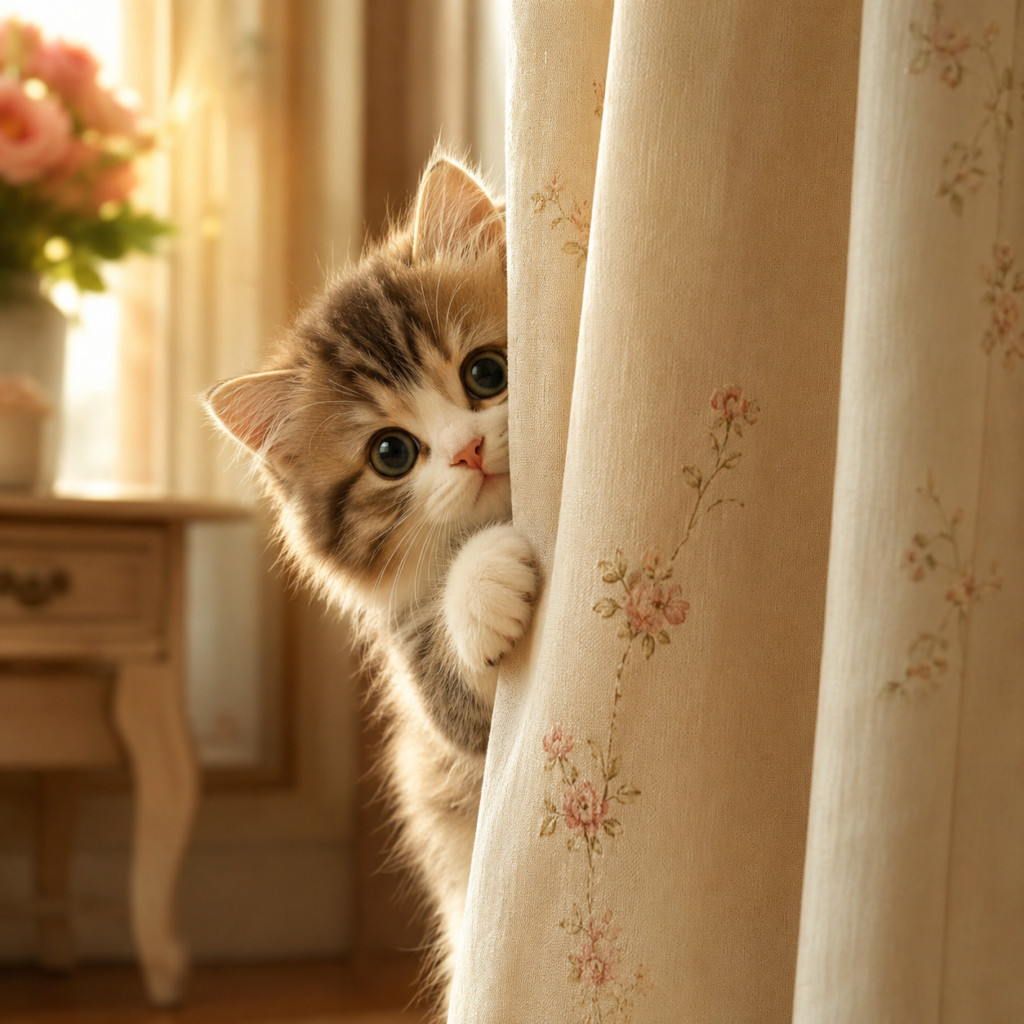
Hiding is a normal feline strategy. A quiet enclosed space gives a cat control over distance, noise and social interaction. The useful question is not whether a cat hides, but whether the hiding fits the situation and the cat’s usual pattern.
Hiding can be a normal way to rest
Many cats choose enclosed beds, boxes, wardrobes or space under furniture because those locations reduce visual exposure and interruption. A cat that emerges normally for food, play and social contact may simply value private downtime.
New environments increase the need for cover
Moving house, bringing home a kitten, introducing visitors or rearranging furniture can temporarily increase hiding. Providing one or two deliberate safe places can help a cat observe the new situation without being forced into interaction.
Noise and conflict can drive retreat
Vacuum cleaners, renovations, children, dogs and tension between cats can all make a quiet refuge valuable. Do not drag a cat out of a safe hiding place unless there is an immediate safety reason.
Pain or illness can also cause hiding
Cats often reduce activity when they feel unwell. Hiding that is new, prolonged or accompanied by reduced appetite, changes in toileting, altered breathing, vomiting, limping or unusual posture deserves veterinary attention.
Make hiding places safe and accessible
Offer stable boxes, covered beds or high shelves rather than spaces where a cat might become trapped. In multi-cat homes, provide several options so one cat cannot block another from reaching a refuge.
Let the cat choose when to emerge
Sit nearby, speak normally and make resources easy to access, but avoid repeatedly reaching into the hiding place. Confidence generally grows faster when the cat controls the pace of contact.
Frequently asked questions
How long is it normal for a new cat to hide?
Some cats explore within hours while others take days. What matters is gradual progress and whether the cat is eating, drinking and toileting. Contact a veterinarian if basic functions are affected or you are concerned.
Should food be placed inside the hiding spot?
Place food and water nearby enough to be accessible without forcing the cat into an exposed area, but keep resources arranged hygienically and away from the litter tray.
Is hiding always anxiety?
No. It can be ordinary resting behaviour. Context and change from the cat’s normal routine are more useful than the behaviour in isolation.